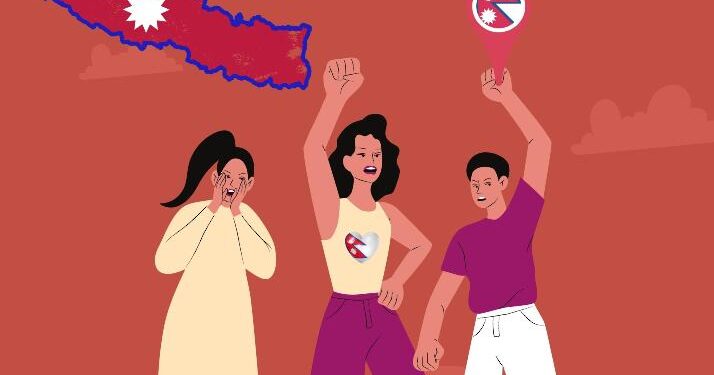
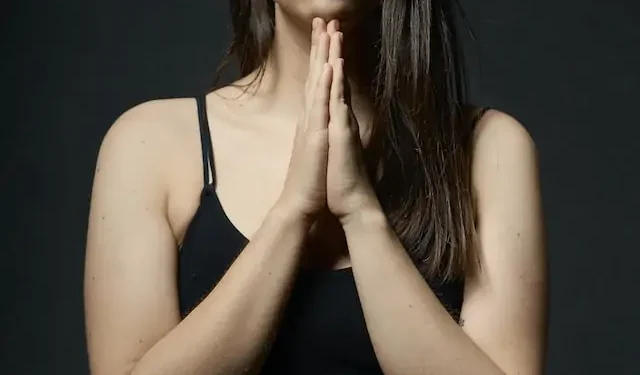
Get here some facts and information and a learning class for learning about how to show respect in Nepal. Get the social norms, values, practices, and greetings words in the Nepali language. How to respect your family members in Nepal? Get know.
How to Show Respect in Nepal
We are social beings. We live in a society. Besides the laws enforced by the government, there are certain established traditional rules, regulations, and norms in society.
They have been developed over the years and accepted for the welfare and well-being of the respective society. Social norms and practices are developed according to the group we associate with: friends, family, or co-workers. Such norms tell us what we ought to do in a given situation.
Society as a whole determines norms and is passed down from generation to generation. Such social etiquettes prevalent in society are called social norms and practices.

Different societies may have different social norms and practices. As a member of the respective society, we have to respect and abide by such norms and practices as long as they are in the people’s interest.
Advertisement
Family is the basis of society. Society is the total of families living together in a particular place. In this context, we can say that a family is the foundation of social norms and practices.
Family norms and values directly or indirectly contribute to the development of social norms and values. Family is a pre-primary school. Socialization begins in the family. Society reflects the overall picture of the various families living in that society.
Advertisement
Respect for social norms and practices is important in maintaining peace, harmony, cooperation, and understanding in society. Social norms and practices reflect the overall nature and character of a particular society. They are the identity of society. They have been developed over a long period and in practice for the collective good.
They make society more cultured, civilized, ordered, and organized. Hence, we need to respect them. Social etiquettes and norms change according to time but slowly.
Advertisement
Social rules and norms suitable in one situation may turn out to be impracticable in another situation. Such rules and standards must serve the broader interest of society. Hence, we should follow the good ones and discard the bad ones.
How to Show Respect in Nepal
Namaste is the most used Nepali typical word to show respect in Nepal. Namaskar is also used for respect. It is the same as Namaste. There are many social norms and practices in Nepal which are used to show respect to our family and society as well as neighborhood.
Advertisement
| Family | Neighborhood and Society |
| Respect elders and ancestors | Greet respectfully (Namaste etc) |
| Respect female members | Don’t discriminate against anybody on any ground |
| Respect each other’s opinion | Share ideas and opinions |
| Regard parents and guests as Gods | Cooperate and behave equally |
| Share things and works | Respect public properties, Help people in need |
| Make the best use of family resources | Utilize society’s means and resources for the collective good |
| Speak politely | Contribute to community well-being |
| Enjoy feasts and festivals together | Share each other’s cultures and festivals |
| Observe family rites and rituals | Follow social norms and values |
| Be disciplined and obedient | Fight against social evils and problems |
| Takeoff shoes before you enter the house | Take off your shoes before you enter temples and shrines |
| Give priority to children and elderlies | Give priority to elderlies, women & children |
Popular Posts
- Key Advice & Messages To The Public For Not Spreading Coronavirus In Community Level
 Preventive measures for Coronavirus in the community Wash your hands regularly and thoroughly with an alcohol-based hand massage or wash with soap and water.… Read more: Key Advice & Messages To The Public For Not Spreading Coronavirus In Community Level
 - Everything You Want To Know About Durga Puja Celebration Of HinduAll about Durga Puja Celebration: – In the month of September-October, when the “Sarad” season brings a lot of white clouds in the blue… Read more: Everything You Want To Know About Durga Puja Celebration Of Hindu
- 100 Cute Nickname for Girlfriend (Girls) in Nepali With English MeaningThe cute nickname for girlfriend in Nepali With English Meaning: – When you are in a relationship, even the littlest thing has an enormous… Read more: 100 Cute Nickname for Girlfriend (Girls) in Nepali With English Meaning
- When is the Dashain Festival in 2022 | Nepali Calendar For Vijayadashami 2079Here is the detailed information about when is Dashain in 2022. or when is Dashain in 2079 BS? or Nepali calendar Dasain 2079 or… Read more: When is the Dashain Festival in 2022 | Nepali Calendar For Vijayadashami 2079
- When is Tihar in 2020 / Tihar in 2077 B.S.? Tihar Calendar of Tihar 2077 (2020)When is Tihar in 2020/2077: – It is the festival of lights, since the Diyas light up inside and outside the houses so they… Read more: When is Tihar in 2020 / Tihar in 2077 B.S.? Tihar Calendar of Tihar 2077 (2020)




Emailed by writer: Dinesh Maharjan, Bhaktapur
Advertisement
Advertisement