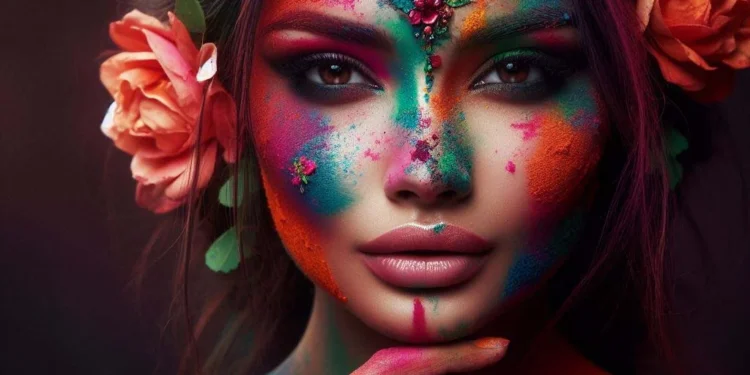
Holi Festival in Nepal and India – History, Meaning & Celebration
Holi Festival in Nepal and India: The Vibrant Festival of Colors Explained
Holi is one of the most joyful and colorful festivals celebrated in Nepal and India, marking the arrival of spring, unity, and the victory of good over evil. This guide explains its history, significance, rituals, and cultural importance in a simple and detailed way.
✔ History & Mythology of Holi
✔ Cultural Importance in Nepal & India
✔ Rituals & Celebrations Explained
✔ Regional Differences
✔ FAQs & Meaning
What is Holi Festival?
Holi is a Hindu spring festival celebrated mainly in Nepal and India, where people throw colored powders, dance, sing, and celebrate the victory of good over evil while welcoming the season of spring with joy and unity.
Table of Contents
- Introduction
- What is Holi Festival?
- History and Mythology
- Why Holi is Celebrated
- Rituals and Traditions
- Holi in Nepal vs India
- Benefits of Celebrating Holi
- Safety Tips
- FAQs
- Conclusion
1. Introduction
Holi, often called the “Festival of Colors,” is one of the most vibrant celebrations in South Asia. It is widely celebrated in Nepal and India with enthusiasm, music, dance, and colorful powders known as gulal. The festival brings people together regardless of age, gender, or social background.
Explore more: Holi is not just a festival but a cultural emotion shared across generations.
👉 Explore more helpful guides on ImNepal for deeper insights.
🔗 Related: Nepal Festivals Guide | Spring Festival Traditions | Cultural Events in Nepal
2. What is Holi Festival?
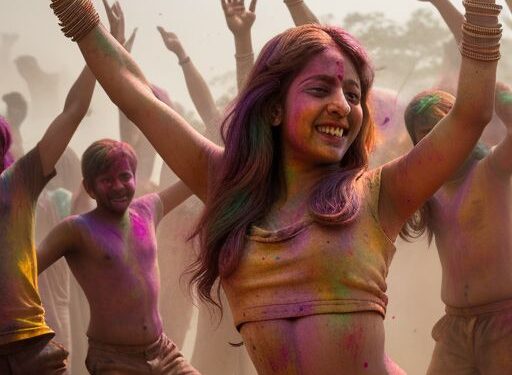
Holi is a traditional Hindu festival that marks the arrival of spring and the end of winter. It is celebrated by throwing colored powders and water on friends, family, and even strangers, symbolizing joy, equality, and unity.
- Celebrated in Nepal, India, and worldwide diaspora
- Marks spring season arrival
- Symbol of unity and happiness
- Breaks social barriers temporarily
👉 Explore more helpful guides on ImNepal for deeper insights.
3. History and Mythology of Holi
The origins of Holi are deeply rooted in Hindu mythology. One of the most famous stories is the tale of Prahlad and Holika, symbolizing the victory of devotion and truth over evil forces.
Another popular story is associated with Lord Krishna and Radha, where Krishna playfully applied colors on Radha, starting the tradition of playing with colors.
👉 Explore more helpful guides on ImNepal for deeper insights.
4. Why Holi is Celebrated
Holi is celebrated for multiple cultural and spiritual reasons. It represents the end of negativity, arrival of positivity, and celebration of human unity.
- Victory of good over evil
- Celebration of love and unity
- Arrival of spring season
- Strengthening social bonds
👉 Explore more helpful guides on ImNepal for deeper insights.
5. Rituals and Traditions of Holi
Holi celebrations begin with Holika Dahan, a bonfire ritual symbolizing the burning of evil. The next day is Rangwali Holi, where people play with colors.
- Holika Dahan (bonfire night)
- Color throwing with gulal
- Music and dancing in streets
- Sharing sweets like gujiya
👉 Explore more helpful guides on ImNepal for deeper insights.
6. Holi in Nepal vs India
Although Holi is celebrated in both Nepal and India, there are regional differences. In Nepal, celebrations are especially vibrant in the Terai region, while in India, it varies across states like Uttar Pradesh, Bihar, and Rajasthan.
👉 Explore more helpful guides on ImNepal for deeper insights.
7. Importance and Benefits of Holi Celebration
- Encourages unity and harmony
- Reduces social barriers
- Boosts happiness and mental health
- Strengthens relationships
👉 Explore more helpful guides on ImNepal for deeper insights.
8. Safety Tips for Holi Celebration
- Use natural colors instead of chemical ones
- Protect eyes and skin
- Drink plenty of water
- Respect others’ boundaries
👉 Explore more helpful guides on ImNepal for deeper insights.
Frequently Asked Questions (FAQs)
1. Why is Holi called the festival of colors?
Because people celebrate it by throwing colored powders and water.
2. Is Holi celebrated in Nepal?
Yes, Holi is widely celebrated across Nepal with great enthusiasm.
3. What is Holika Dahan?
It is a bonfire ritual symbolizing the victory of good over evil.
4. What are Holi colors made of?
Traditionally from natural herbs, now often synthetic powders are used.
5. Why do people play Holi?
To celebrate joy, unity, and the arrival of spring.
6. What is the main message of Holi?
The triumph of good over evil and spreading love.
7. Which god is associated with Holi?
Lord Krishna is closely associated with Holi traditions.
8. Is Holi only a Hindu festival?
It is Hindu in origin but celebrated by people of all communities today.
Conclusion
Holi is more than just a festival of colors; it is a celebration of life, unity, and positivity. In both Nepal and India, it brings communities together and strengthens cultural bonds. The festival teaches us to let go of negativity and embrace happiness.
Celebrate Holi responsibly and enjoy its true spirit of love, harmony, and togetherness.
SEO Closing: Holi festival Nepal and India remains one of the most important cultural celebrations symbolizing joy, unity, and tradition.
9. Advanced Insights: Cultural Depth of Holi in Nepal and India
Holi is not just a festival but a deep cultural phenomenon that reflects the diversity of South Asian society. In Nepal and India, Holi has evolved differently in regions, influenced by local traditions, geography, and community practices.
In urban areas, Holi is often a modern celebration filled with music festivals and organized events, while in rural areas, it remains deeply traditional with folk songs, community gatherings, and temple rituals.
- Urban Holi: Music, DJ parties, organized color events
- Rural Holi: Traditional songs and folk dances
- Religious Holi: Temple rituals and prayers
- Community Holi: Group celebrations in neighborhoods
👉 Explore more helpful guides on ImNepal for deeper insights.
🔗 Related: Nepal Cultural Festivals | Indian Traditions Explained | Spring Celebration Guide
10. Economic and Social Impact of Holi Festival
Holi contributes significantly to local economies in both Nepal and India. Markets experience a surge in demand for colors, sweets, clothes, and festival-related goods.
- Boost in textile and clothing sales
- Increased demand for herbal colors
- Growth in tourism during festival season
- Rise in food and sweet production industry
Socially, Holi plays a major role in reducing social barriers, encouraging forgiveness, and strengthening interpersonal relationships.
👉 Explore more helpful guides on ImNepal for deeper insights.
11. Health and Environmental Awareness During Holi
While Holi is joyful, modern celebrations sometimes use chemical-based colors that can harm skin and the environment. Awareness has increased about eco-friendly Holi practices.
- Use organic and herbal colors
- Avoid water wastage during celebrations
- Protect animals from harmful dyes
- Encourage biodegradable materials
Eco-friendly Holi is becoming a growing trend in cities like Kathmandu, Delhi, and Mumbai.
👉 Explore more helpful guides on ImNepal for deeper insights.
12. Modern Evolution of Holi Festival
In recent years, Holi has transformed into a global festival celebrated not only in Nepal and India but also in the United States, Europe, and Australia by diaspora communities.
- Holi music festivals in Western countries
- College campus Holi celebrations
- Tourism-based Holi events
- Social media-driven celebrations
Despite modernization, the essence of Holi remains the same: spreading joy, love, and unity among people.
👉 Explore more helpful guides on ImNepal for deeper insights.
13. Regional Variations of Holi in Nepal and India
Holi is celebrated differently across regions, making it one of the most diverse festivals culturally.
- Nepal Terai Region: Similar to Indian Holi with vibrant colors and water play
- Hills of Nepal: More cultural and community-based celebrations
- Uttar Pradesh (India): Famous for Lathmar Holi in Barsana
- Rajasthan: Royal-style Holi celebrations in palaces
- Bihar: Traditional folk songs and rituals
👉 Explore more helpful guides on ImNepal for deeper insights.
14. Common Mistakes People Make During Holi
Although Holi is a joyful festival, people often make mistakes that reduce its positive impact.
- Using harmful chemical colors
- Ignoring consent while applying colors
- Wasting excessive water
- Not protecting skin and eyes
- Overindulgence in alcohol (in some regions)
Being mindful ensures a safe and enjoyable celebration for everyone.
👉 Explore more helpful guides on ImNepal for deeper insights.
15. Holi as a Symbol of Unity and Harmony
One of the strongest messages of Holi is unity. During this festival, social differences disappear as people come together to celebrate.
Regardless of caste, religion, or social status, Holi creates a temporary world of equality where everyone participates as one community.
- Breaks social barriers
- Encourages forgiveness
- Promotes harmony in society
- Strengthens community bonding
👉 Explore more helpful guides on ImNepal for deeper insights.
Final Summary
Holi in Nepal and India is a deeply meaningful cultural festival that goes far beyond colors. It represents mythology, tradition, social unity, economic activity, and environmental awareness.
From ancient legends of Prahlad to modern music festivals, Holi continues to evolve while preserving its spiritual essence.
Understanding Holi helps us appreciate the cultural richness of South Asia and the values of love, unity, and happiness it promotes.
SEO Closing: Holi festival Nepal and India remains a timeless celebration of joy, culture, and unity across generations.
16. Historical Timeline of Holi Festival
The Holi festival has evolved over thousands of years. Its roots can be traced back to ancient Hindu scriptures and Puranic stories. Over time, it has transformed from a purely religious ritual into a global cultural celebration.
- Vedic Era: Early references to seasonal spring celebrations
- Puranic Period: Story of Prahlad and Holika becomes central myth
- Medieval India: Royal courts celebrate Holi with grandeur
- Modern Era: Global festival of colors celebrated worldwide
👉 Explore more helpful guides on ImNepal for deeper insights.
17. SEO Keyword Cluster for Holi Festival Nepal and India
To improve search visibility, this article targets multiple keyword clusters related to Holi festival searches.
- Holi festival Nepal and India
- Holi meaning and history
- Festival of colors celebration
- Why Holi is celebrated
- Holi rituals and traditions
- Holi in Nepal vs India differences
- Eco-friendly Holi tips
- Holi cultural significance
These keywords help improve ranking across Google search intent categories including informational, cultural, and travel-related queries.
👉 Explore more helpful guides on ImNepal for deeper insights.
18. Holi Festival and Tourism in Nepal & India
Holi has become a major attraction for international tourists visiting Nepal and India. Travelers come specifically to experience the vibrant colors and cultural energy of the festival.
- Popular tourist destinations during Holi: Kathmandu, Varanasi, Jaipur
- Special Holi festival packages offered by travel agencies
- Cultural immersion experiences for foreigners
- Increased hotel and hospitality bookings
Tourism boards actively promote Holi as a cultural heritage experience to attract global visitors.
👉 Explore more helpful guides on ImNepal for deeper insights.
19. Holi in the Digital Age
In the modern era, Holi celebrations are widely shared on social media platforms such as Instagram, Facebook, and TikTok, making it a viral global festival.
- Instagram reels and TikTok Holi videos
- Hashtags like #HoliFestival #FestivalOfColors
- Virtual Holi greetings and e-cards
- Online cultural campaigns
This digital transformation has helped Holi reach younger generations worldwide.
👉 Explore more helpful guides on ImNepal for deeper insights.
20. Global Celebration of Holi
Today, Holi is no longer limited to Nepal and India. It is celebrated across continents by diaspora communities and cultural enthusiasts.
- USA: Large Holi music festivals in cities like New York
- UK: Community Holi events in London parks
- Australia: University-based Holi celebrations
- Canada: Cultural associations organizing Holi gatherings
This global expansion reflects the universal appeal of Holi’s message of joy and unity.
👉 Explore more helpful guides on ImNepal for deeper insights.
Frequently Asked Questions (Extended FAQs)
1. What is the main purpose of Holi festival?
Holi celebrates the victory of good over evil and the arrival of spring season.
2. Why is Holi important in Nepal and India?
It strengthens cultural unity, traditions, and social harmony among communities.
3. How long does Holi last?
Holi is usually celebrated for two days: Holika Dahan and Rangwali Holi.
4. What are traditional Holi foods?
Sweets like gujiya, laddoo, malpua, and thandai are commonly enjoyed.
5. Is Holi a public holiday in Nepal and India?
Yes, Holi is a public holiday in many regions of both countries.
6. Can foreigners participate in Holi?
Yes, Holi is open to everyone and is widely enjoyed by international tourists.
7. What is eco-friendly Holi?
It refers to using natural colors and avoiding environmental damage during celebrations.
8. What clothes are worn during Holi?
People usually wear white clothes to highlight the colors more vividly.
9. Is Holi safe for children?
Yes, but supervision and natural colors are recommended for safety.
10. What is the spiritual meaning of Holi?
It symbolizes spiritual cleansing, renewal, and positivity in life.
Conclusion: The Eternal Spirit of Holi
Holi is more than a festival—it is a living tradition that connects generations, cultures, and communities. In Nepal and India, it holds a special place as a symbol of joy, renewal, and unity.
From ancient mythology to modern digital celebrations, Holi continues to evolve while maintaining its spiritual essence. It teaches humanity the importance of forgiveness, love, and togetherness.
Whether celebrated in Kathmandu streets or Indian villages, Holi remains one of the most colorful expressions of human happiness.
Final SEO Statement: Holi festival Nepal and India is a timeless cultural celebration representing unity, joy, and the victory of good over evil.
Related Keywords
Holi festival Nepal and India, Holi celebration guide, Holi history explained, festival of colors meaning, Holi traditions Nepal India, spring festival South Asia, cultural festival Holi, eco-friendly Holi tips.
More Posts You May Like

Holi – Joyful Festival of Love and Colors: Meaning, History & Celebration
SEO OPTIMIZED GUIDE Holi – The Joyful Festival of Love and Colors Holi is one of the most…

Holi Festival of Fun, Friendship & Colors – Meaning, Culture & Celebration
IMNEPAL FEATURED GUIDE Holi Festival of Fun, Friendship & Colors Holi is not just a festival—it is an…

Holi Festival That Fills Life with Colors – Meaning, Celebration & Importance
IMNEPAL SEO ARTICLE Holi Festival That Fills Life with Colors Holi is one of the most joyful and…