How to Make Tomato Sauce for Pizza – Homemade Pizza Sauce Recipe
How to Make Tomato Sauce for Pizza: Easy Homemade Nepali Style Pizza Sauce Recipe
A delicious pizza starts with a flavorful sauce. Homemade tomato pizza sauce is fresh, rich, aromatic, and easy to prepare using simple ingredients commonly available in Nepali kitchens. This recipe helps you create restaurant-style pizza sauce that enhances homemade pizzas, sandwiches, pasta dishes, and snacks.
Featured Snippet
Tomato sauce for pizza is made by cooking tomatoes with garlic, herbs, seasonings, and spices until rich and flavorful. Homemade pizza sauce provides a fresher taste, better texture, and customizable flavor compared to many store-bought options.
Table of Contents
- Introduction to Pizza Sauce
- Ingredients
- Kitchen Equipment
- Step-by-Step Pizza Sauce Recipe
- Nutrition Facts
- Expert Tips
- Recipe Variations
- Storage Guide
- Serving Suggestions
- Common Mistakes
- FAQs
- Conclusion
Introduction to Homemade Pizza Sauce
Pizza sauce is one of the most important components of a delicious pizza. A good sauce provides the perfect balance of sweetness, acidity, herbs, and savory flavor. While ready-made sauces are convenient, homemade pizza sauce delivers superior freshness and allows complete control over ingredients.
This Nepali-style homemade tomato pizza sauce recipe uses simple ingredients such as fresh tomatoes, garlic, onion, herbs, and seasonings. The result is a rich sauce that pairs perfectly with homemade pizza bases, cheese toppings, and vegetables.
Whether you are preparing pizza for family dinners, parties, or weekend snacks, this easy pizza sauce recipe can help you achieve excellent results at home.
Ingredients for Homemade Pizza Sauce
Main Ingredients
- 8 large ripe tomatoes
- 4 cloves garlic, minced
- 1 small onion, finely chopped
- 2 tablespoons olive oil
- 1 tablespoon tomato paste
- 1 teaspoon sugar
- 1 teaspoon salt
- ½ teaspoon black pepper
- 1 teaspoon dried oregano
- 1 teaspoon dried basil
- ½ teaspoon chili flakes (optional)
- ½ cup water
Optional Ingredients
- Fresh basil leaves
- Paprika powder
- Garlic powder
- Italian seasoning
- Parmesan cheese
- Red chili powder
Kitchen Equipment Needed
- Cooking pot
- Blender
- Knife
- Cutting board
- Wooden spoon
- Measuring spoons
- Fine sieve
- Storage jars
Step-by-Step Pizza Sauce Recipe
Step 1: Wash the Tomatoes
Wash the tomatoes thoroughly under clean running water. Remove any damaged portions and cut them into medium-sized pieces.
Step 2: Prepare the Vegetables
Finely chop the onion and mince the garlic cloves. Preparing ingredients in advance makes cooking easier and faster.
Step 3: Heat the Oil
Add olive oil to a cooking pot and heat it over medium flame until warm.
Step 4: Sauté Onion and Garlic
Cook the chopped onion until soft and translucent. Add garlic and sauté for another minute until fragrant.
Step 5: Add Tomatoes
Add the chopped tomatoes to the pot and stir well with the onion and garlic mixture.
Cooking the Tomato Pizza Sauce
Step 6: Add Seasonings
Add salt, black pepper, sugar, oregano, basil, and chili flakes to the cooked tomato mixture. Stir well so the spices combine evenly.
Step 7: Add Tomato Paste
Add tomato paste to increase the richness, color, and thickness of the pizza sauce. Mix thoroughly with the tomatoes.
Step 8: Simmer the Sauce
Reduce the heat and allow the sauce to simmer for 25–30 minutes. Stir occasionally to prevent sticking and help the flavors develop.
Step 9: Check the Texture
The tomatoes should become soft and the sauce should start becoming thick. Continue cooking until excess water reduces.
Step 10: Cool the Sauce
Turn off the heat and allow the sauce to cool slightly before blending.

Blending and Finishing Pizza Sauce
Step 11: Blend the Sauce
Transfer the cooled tomato mixture into a blender and blend until it becomes smooth and creamy.
Step 12: Strain the Sauce (Optional)
For a smoother restaurant-style pizza sauce, pass the blended sauce through a fine sieve to remove seeds and rough particles.
Step 13: Return Sauce to the Pan
Pour the blended sauce back into the cooking pot for final adjustment.
Step 14: Adjust Flavor
Taste the sauce and adjust salt, sweetness, spice, or herbs according to your preference.
Step 15: Cook Until Perfect
Cook for another 5–10 minutes until the sauce reaches a thick spreadable consistency suitable for pizza.

Preparing Pizza with Homemade Tomato Sauce
Once your homemade tomato sauce is ready, you can use it to prepare delicious pizzas at home. The sauce works well with different toppings and pizza styles.
Basic Pizza Assembly Ingredients
- Prepared pizza dough
- Homemade tomato pizza sauce
- Mozzarella cheese
- Vegetables of your choice
- Chicken or meat toppings (optional)
- Oregano and chili flakes
Step 16: Prepare the Pizza Base
Place the prepared pizza dough on a baking tray or pizza pan. Spread it evenly to create your preferred thickness.
Step 17: Apply Tomato Sauce
Spread a thin and even layer of homemade tomato sauce over the pizza base. Avoid adding too much sauce because it can make the pizza soggy.
Step 18: Add Cheese
Sprinkle mozzarella cheese evenly over the sauce layer.
Step 19: Add Toppings
Add vegetables, chicken, mushrooms, olives, or other preferred toppings.
Step 20: Bake the Pizza
Bake the pizza until the cheese melts completely and the crust becomes golden and crispy.

Why Homemade Pizza Sauce Is Better
Making tomato sauce at home gives you better control over freshness, flavor, and ingredients. Homemade sauce is easy to customize according to your family’s taste.
- Fresh tomato flavor
- No unnecessary preservatives
- Adjustable spice level
- Better texture
- Affordable ingredients
- Suitable for different recipes
- Can be stored for future use
How to Make Pizza Sauce Taste More Authentic
Use Quality Tomatoes
The quality of tomatoes directly affects the final taste. Use ripe and flavorful tomatoes whenever possible.
Add Fresh Garlic
Fresh garlic provides a stronger aroma and deeper flavor compared to packaged garlic powder.
Use Italian Herbs
Oregano, basil, and mixed herbs create the traditional pizza flavor people love.
Cook Slowly
Slow cooking allows the ingredients to combine and creates a richer sauce.
Balance Acidity
If tomatoes taste too sour, add a small amount of sugar to balance the flavor.
Nutrition Facts of Homemade Tomato Pizza Sauce
Homemade tomato pizza sauce is a flavorful addition that also provides important nutrients from fresh tomatoes, garlic, and herbs. The exact nutritional value depends on the ingredients and portion size.
Approximate Nutrition Per ¼ Cup Serving
- Calories: 35–50 kcal
- Carbohydrates: 7–10 g
- Protein: 1–2 g
- Fat: 1–2 g
- Fiber: 2 g
- Sugar: 4–6 g
- Sodium: 150–250 mg
- Vitamin C: High from tomatoes
- Lycopene: Natural antioxidant from tomatoes
Fresh tomato sauce contains antioxidants and nutrients that make it a healthier alternative to many processed sauces.
Expert Tips for Perfect Pizza Tomato Sauce
A great pizza sauce should have balanced flavor, smooth texture, and the right thickness. Follow these expert tips to improve your homemade sauce.
Choose Ripe Tomatoes
Fully ripe tomatoes provide natural sweetness, better color, and a richer tomato flavor.
Do Not Overload the Sauce
Too many spices can hide the natural tomato flavor. Keep the seasoning balanced.
Cook Slowly
Low and slow cooking allows the ingredients to combine and creates a deeper flavor.
Keep the Sauce Thick
A watery sauce can make pizza soggy. Reduce extra moisture before using it.
Use Fresh Herbs When Possible
Fresh basil and herbs add a natural aroma and restaurant-style taste.
Rest Before Using
Allowing the sauce to rest for a few hours helps the flavors blend together.
Delicious Pizza Sauce Variations
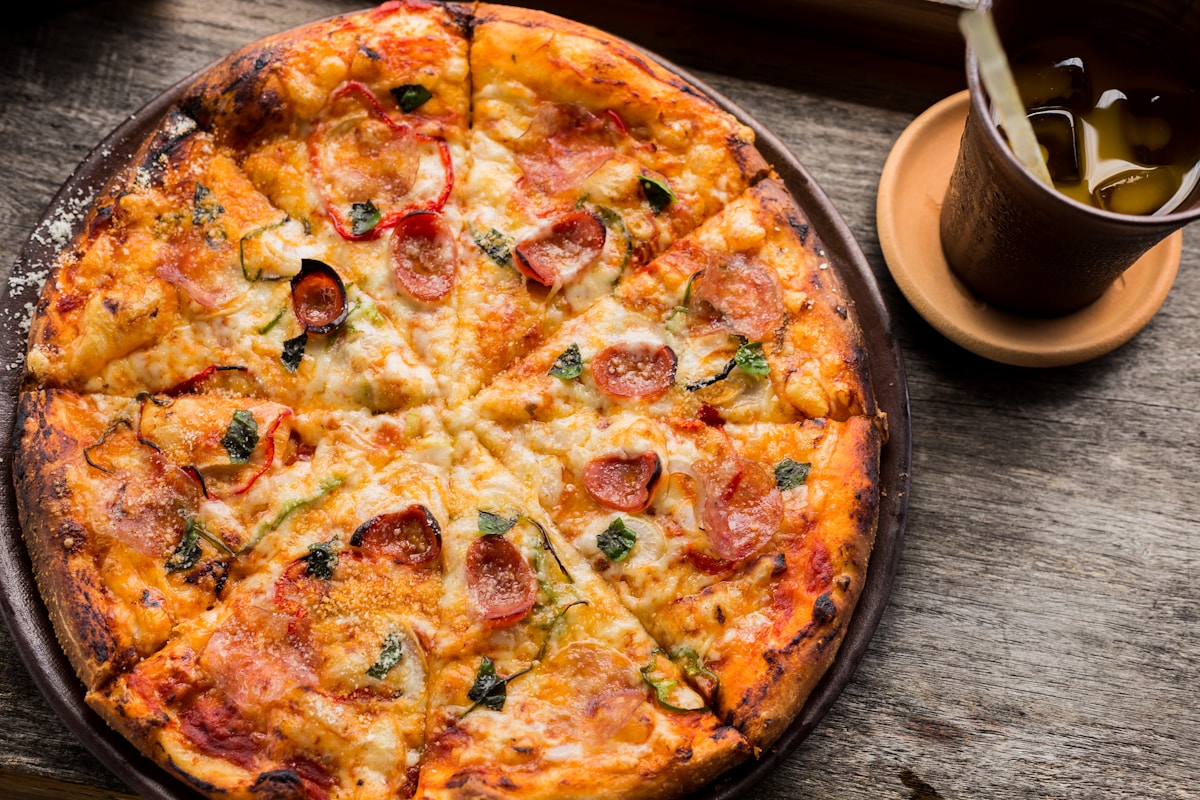
Homemade tomato pizza sauce can be customized in many ways. These variations help you create different flavors for different dishes.
1. Spicy Pizza Sauce
Add extra chili flakes, red chili powder, or hot peppers for a spicy pizza sauce that gives your pizza a bold flavor.
2. Garlic Pizza Sauce
Increase garlic quantity for a stronger aromatic sauce that pairs beautifully with cheese and chicken pizzas.
3. Cheese Pizza Sauce
Mix a small amount of parmesan cheese into the sauce for extra richness and a creamy taste.
4. Herb Pizza Sauce
Add fresh basil, oregano, parsley, and Italian seasoning for a traditional pizza flavor.
5. Roasted Tomato Pizza Sauce
Roast tomatoes and garlic before blending to create a deeper smoky flavor.
6. Nepali Style Spicy Tomato Sauce
Add local spices like red chili powder, timur powder, and a small amount of ginger for a Nepali-inspired pizza sauce.
7. Sweet Tomato Pizza Sauce
Add a little extra sugar or natural sweeteners for a sweeter sauce suitable for kids and mild-flavor pizzas.
8. Vegetable Pizza Sauce
Blend cooked carrots, bell peppers, or other vegetables with tomatoes for extra nutrition and flavor.

Best Foods to Use Homemade Tomato Sauce With
Although this recipe is designed for pizza, homemade tomato sauce can be used in many other dishes.
Popular Uses
- Homemade pizza
- Pasta dishes
- Sandwich spreads
- Burgers
- Garlic bread topping
- Lasagna
- Chicken dishes
- Vegetable bakes
- Snacks and appetizers
- Wraps and rolls
Keeping homemade tomato sauce ready in the refrigerator makes it easier to prepare quick and delicious meals.
How to Improve the Flavor of Pizza Sauce
- Add fresh basil for a classic pizza aroma.
- Use roasted garlic for deeper flavor.
- Add a little olive oil for richness.
- Balance sour tomatoes with a small amount of sugar.
- Use freshly ground black pepper for better taste.
- Allow the sauce to rest before using.
- Cook longer for stronger flavor.
Storage Guide for Homemade Pizza Tomato Sauce
Proper storage helps maintain the freshness, flavor, and quality of homemade tomato pizza sauce. Since this sauce is made with fresh tomatoes and herbs, storing it correctly is important.
Refrigerator Storage
- Allow the sauce to cool completely before storing.
- Transfer it into a clean airtight glass jar.
- Keep refrigerated after preparation.
- Use within 5–7 days for the best flavor.
Freezer Storage
- Divide sauce into small freezer-safe containers.
- Freeze for up to 3 months.
- Thaw in the refrigerator before use.
- Stir well after reheating.
How to Store Pizza Sauce Longer
- Always use clean spoons.
- Avoid mixing fresh and used sauce.
- Store in sterilized glass containers.
- Keep containers tightly sealed.

Common Mistakes When Making Pizza Sauce
Avoiding common mistakes can help you prepare a perfectly balanced tomato sauce with great flavor and texture.
Using Unripe Tomatoes
Unripe tomatoes can make the sauce too sour and less flavorful. Always choose ripe tomatoes.
Making the Sauce Too Thin
Excess water can make pizza soggy. Cook the sauce longer to reduce moisture.
Adding Too Many Spices
Too many spices can overpower the natural tomato taste. Keep flavors balanced.
Skipping the Cooking Process
Raw blended tomatoes do not develop the same rich flavor as properly cooked sauce.
Using Too Much Sauce on Pizza
A thick layer of sauce can prevent the pizza crust from becoming crispy. Use a moderate amount.
Not Balancing Acidity
If tomatoes are very sour, add a small amount of sugar to create a balanced flavor.
Pizza Sauce Recipe for Different Dietary Preferences
Homemade tomato pizza sauce can be adjusted easily according to different dietary requirements.
Vegetarian Pizza Sauce
This recipe is naturally vegetarian and works perfectly with vegetable toppings and cheese.
Vegan Pizza Sauce
The basic tomato sauce is vegan-friendly when prepared without dairy-based ingredients.
Low-Sugar Pizza Sauce
Reduce or remove added sugar and depend on naturally sweet ripe tomatoes.
Spicy Nepali Pizza Sauce
Add local spices such as timur, chili, and ginger to create a unique Nepali flavor.
Kid-Friendly Pizza Sauce
Reduce chili and strong spices while keeping the sauce slightly sweet and mild.
Creative Ways to Use Tomato Pizza Sauce
Homemade pizza sauce is not limited to pizza only. It can be used in many creative recipes.
Pasta Sauce
Mix the tomato sauce with cooked pasta and cheese for a quick and tasty meal.
Sandwich Spread
Use a thin layer of pizza sauce inside sandwiches for extra flavor.
Garlic Bread Topping
Spread pizza sauce over bread, add cheese, and bake for delicious garlic bread.
Pizza Roll Filling
Use the sauce as a filling ingredient for homemade pizza rolls and snacks.
Dipping Sauce
Serve warm tomato sauce with breadsticks, fries, and snacks.

Why Homemade Pizza Sauce Is Better Than Store-Bought
- Fresh tomato flavor
- No unnecessary preservatives
- Adjustable seasoning
- Better ingredient control
- More affordable
- Customizable recipes
- Fresh homemade taste
Making pizza sauce at home is simple, economical, and rewarding. With basic ingredients and proper cooking techniques, you can create a sauce that improves every homemade pizza.
Frequently Asked Questions (FAQs)
1. What is pizza tomato sauce?
Pizza tomato sauce is a flavorful sauce made from tomatoes, garlic, herbs, and spices. It is spread on pizza dough before adding cheese and toppings.
2. Can I make pizza sauce without tomato paste?
Yes, tomato paste is optional. You can make delicious pizza sauce using only fresh tomatoes, herbs, and seasonings. Tomato paste mainly helps increase thickness and richness.
3. Which tomatoes are best for pizza sauce?
Ripe red tomatoes with good flavor are best for pizza sauce. They provide natural sweetness, good color, and rich tomato taste.
4. How long should I cook pizza sauce?
Pizza sauce usually needs 25–40 minutes of cooking depending on the amount of water in the tomatoes. Slow cooking creates better flavor.
5. Why is my pizza sauce watery?
Pizza sauce becomes watery when tomatoes contain too much moisture or the sauce is not cooked long enough. Simmer longer to reduce extra liquid.
6. Can I store homemade pizza sauce?
Yes, homemade pizza sauce can be stored in an airtight container in the refrigerator for about 5–7 days.
7. Can pizza sauce be frozen?
Yes, pizza sauce can be frozen for up to 3 months. Store it in freezer-safe containers and thaw before use.
8. Can I use pizza sauce for pasta?
Yes, homemade pizza sauce works well as a pasta sauce. Add vegetables, cheese, or meat for a complete meal.
9. How can I make pizza sauce less sour?
Add a small amount of sugar or cook the sauce longer to naturally balance tomato acidity.
10. Is homemade pizza sauce healthy?
Homemade pizza sauce can be a healthy option because it uses fresh tomatoes and allows control over salt, sugar, and ingredients.
11. Can I make spicy Nepali style pizza sauce?
Yes, add chili powder, timur powder, garlic, and local spices to create a spicy Nepali-inspired pizza sauce.
12. How much pizza sauce should I use on one pizza?
A moderate amount is best. Too much sauce can make the pizza base soft and prevent a crispy crust.
Conclusion
Learning how to make tomato sauce for pizza at home is an excellent cooking skill that helps you create delicious homemade pizzas with fresh and natural flavors. With simple ingredients like tomatoes, garlic, herbs, and spices, you can prepare a sauce that tastes better than many ready-made options.
This Nepali-style homemade pizza sauce recipe is easy to customize according to your taste. You can make it spicy, cheesy, herby, or mild depending on your preferred pizza style.
The key to perfect pizza sauce is choosing good tomatoes, cooking slowly, balancing flavors, and maintaining the right thickness. Once prepared, this sauce can also be used for pasta, sandwiches, snacks, and many other dishes.
Try this homemade tomato pizza sauce recipe in your kitchen and enjoy fresh restaurant-style pizza flavors with your family and friends.
More Posts You May Like

Viral Mango Sago Recipe Nepal – 15 Min Shrawan Dessert
React Artifact Loading media Loading media Loading media

Easy Homemade Sauces & Dressings Recipes | Healthy Kitchen Guide
IMNEPAL • FOOD GUIDE Easy Homemade Sauces & Dressings: Delicious Recipes You Can Make at Home Discover simple,…

Best Snacks for Busy People | Quick Healthy Snack Ideas
IMNEPAL • HEALTH & LIFESTYLE GUIDE Best Snacks for Busy People: Quick, Healthy & Energy-Packed Ideas In today’s…